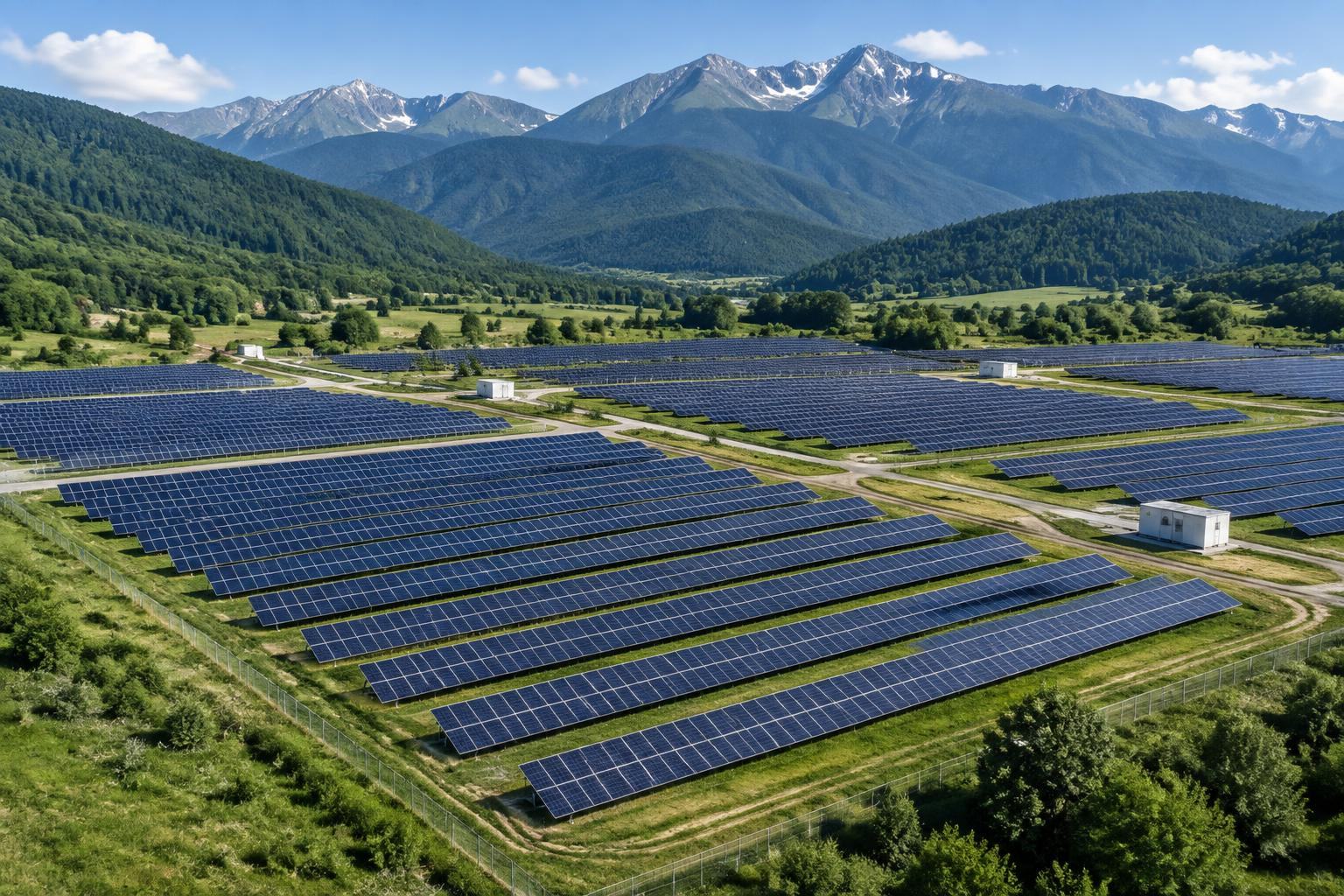
Georgia already gets about four-fifths of its electricity from renewable sources, almost all of it from hydropower. The next wave is solar, wind and storage: grid limits, new support contracts and a new power exchange are reshaping where investors put money. This guide gives the big picture in one place and links to our detailed guides on each technology. Figures are as of October 2026.
Georgia's power system in numbers (end of 2025)
| Indicator | Value |
|---|---|
| Installed capacity, all sources | 4,675 MW (source) |
| Hydropower | 3,489 MW, about 75% of capacity |
| Thermal (gas) | 1,154 MW |
| Wind | 20.7 MW, with the 206 MW Ruisi wind farm in testing (source) |
| Solar (licensed plants) | 10.8 MW, plus about 93 MW of small net-metering plants |
| Generation in 2025 | 13.8 TWh, of which hydropower about 11 TWh |
Hydropower: the backbone
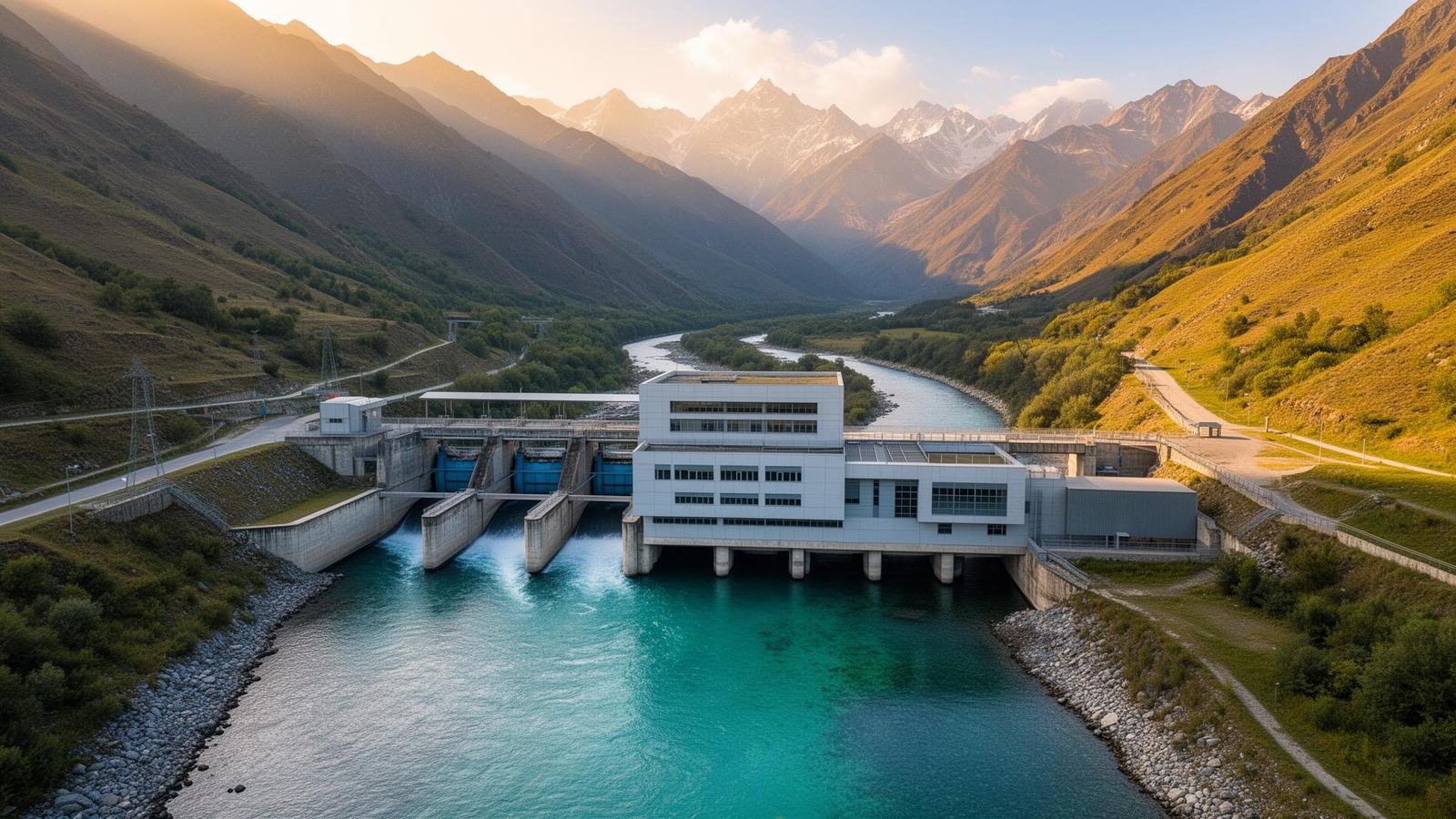
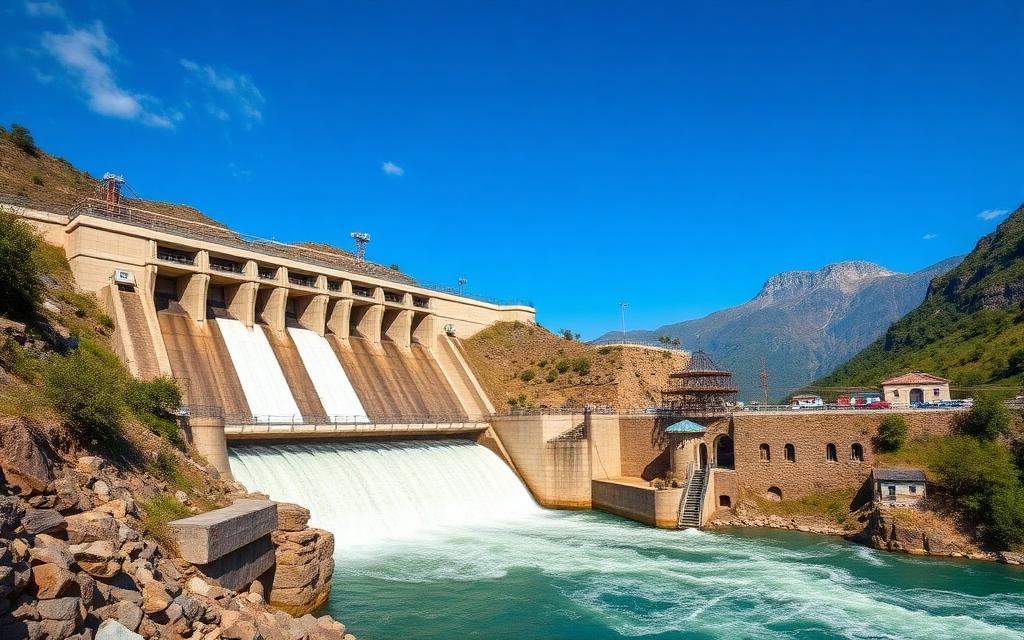
Hydropower produces around 80% of Georgia's electricity, led by the 1,300 MW Enguri plant. Most plants run strongly in spring and summer and fall back in winter, when Georgia relies on gas plants and imports. Since 2007, 83 plants with 1.4 GW were built under guaranteed power purchase agreements; new plants now earn through the market and contracts for difference (source). Read more: hydropower investment in Georgia and Enguri HPP.
Solar: the fastest-growing segment
Utility-scale solar is still small but moving fast: 5–50 MW projects are reaching bank financing, and GSE has capped new solar on the grid at 0.5 GW (source). Central and eastern Georgia produce about 1,300–1,350 kWh per kWp a year by the EU's PVGIS model. Small plants up to 500 kW connected before 1 January 2027 keep net metering until 2033. Read more: solar energy in Georgia, how to develop a solar farm, solar panel prices and net metering.
Wind: from 20 MW to hundreds
Wind is set for a step change as the 206 MW Ruisi and 104 MW Imereti projects come online, and the government targets about 1.3 GW by 2031. Wind is stronger in the colder months, which makes it a good complement to hydropower; GSE caps new wind at 0.75 GW for now (source). Read more: wind power plants in Georgia.
Storage: the missing piece
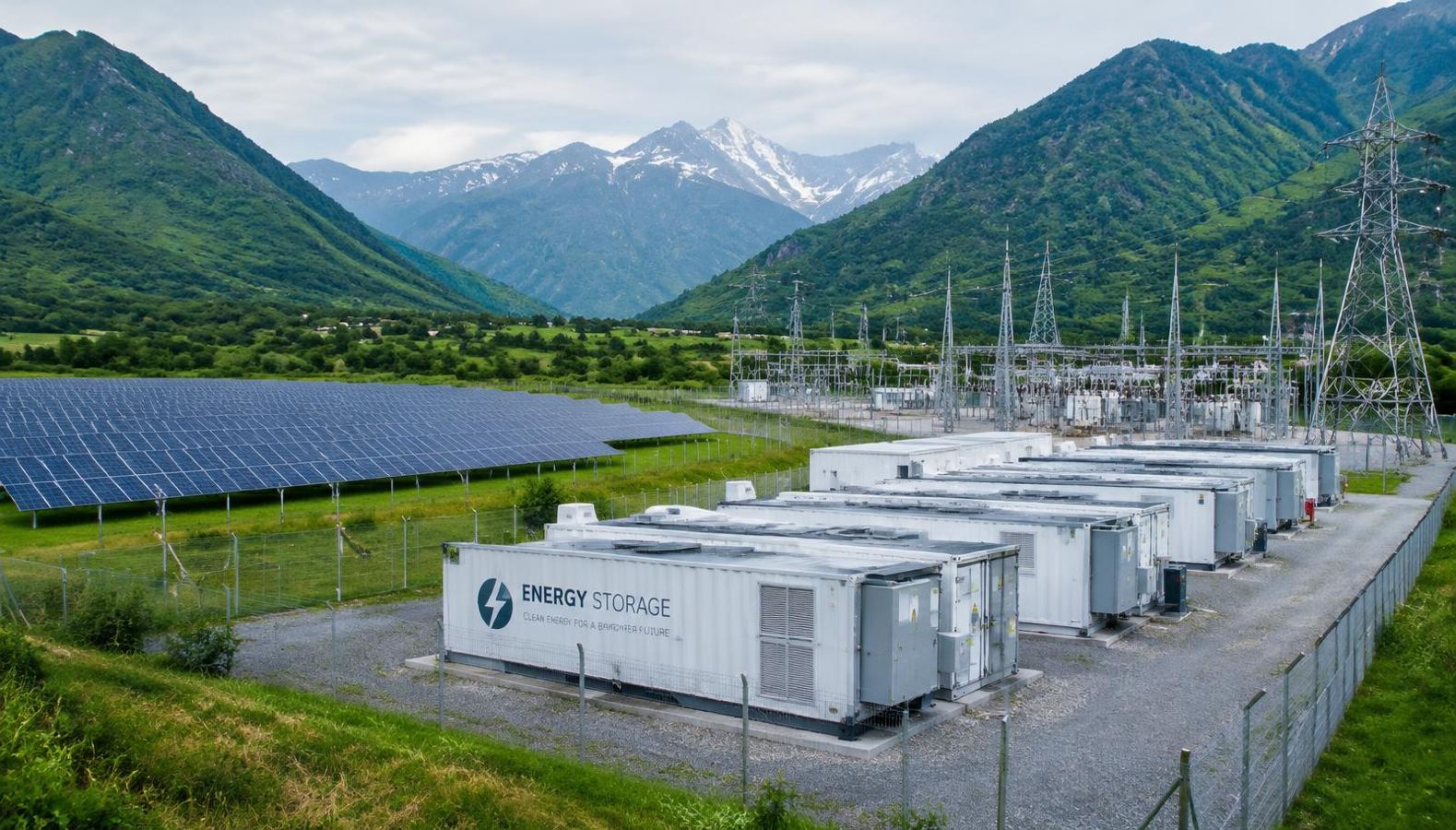
Georgia's first grid-scale battery, 200 MW / 200 MWh at the Ksani substation, is financed by the Asian Development Bank (source), and the second renewable auction reserved capacity for solar and wind with storage. Read more: battery storage in Georgia.
How renewable plants earn money
| Route | Who it suits |
|---|---|
| Contract for difference (CfD) with ESCO, 15 years | New plants above 0.5 MW selected in auctions or directly by the Ministry |
| Net metering, then net billing | Small plants up to 500 kW |
| Bilateral power purchase agreement | Plants with a strong corporate buyer |
| Day-ahead market on GENEX | Merchant plants and anything above the CfD |
See our guide to the electricity market and CfD auctions and current electricity tariffs.
Rules, grid and permits
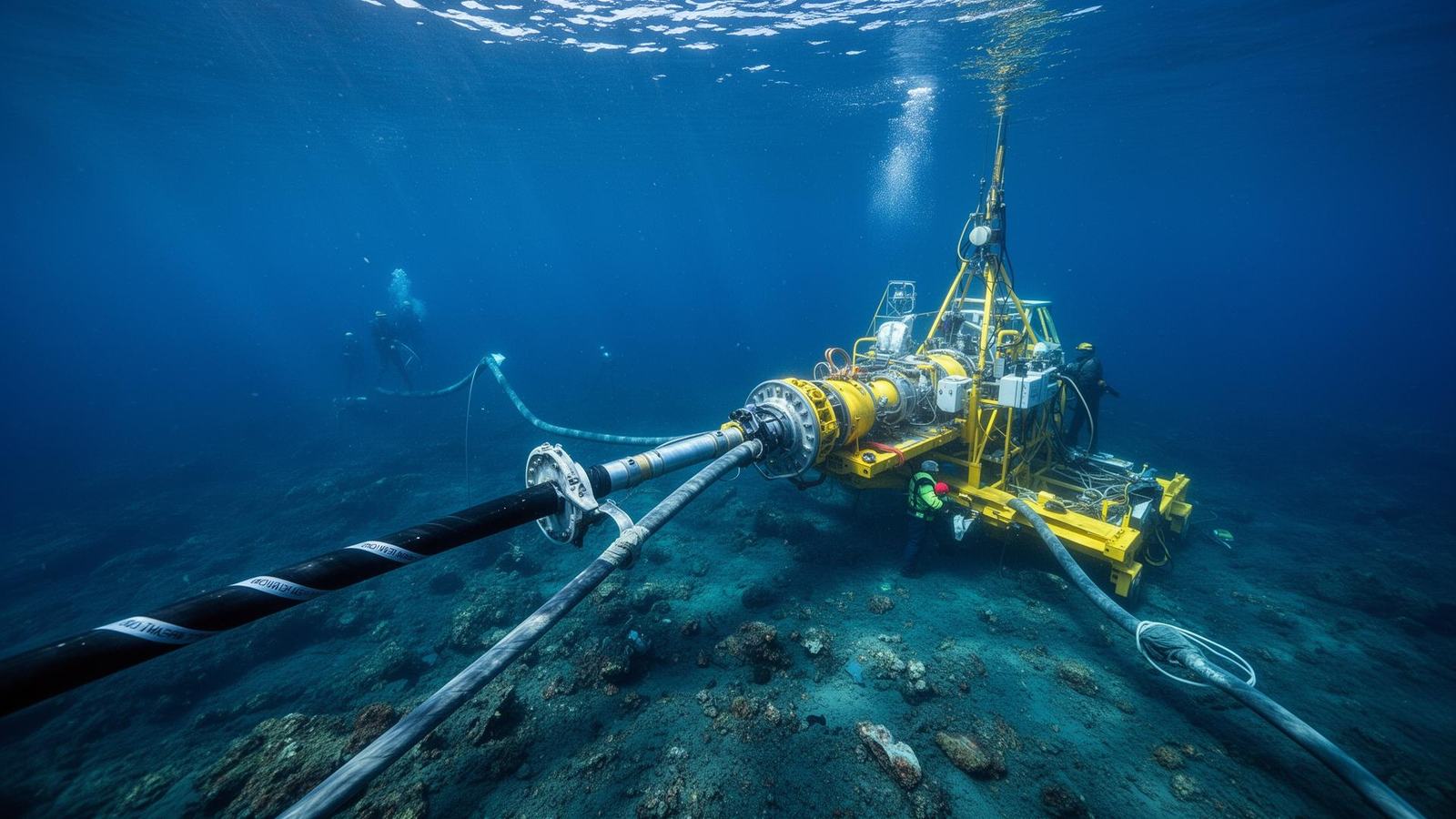
The regulator, GNERC, sets tariffs and licences plants above 15 MW (GNERC guide). GSE runs the transmission grid, where capacity is now the tightest constraint (grid guide). Permits and environmental assessment follow the Environmental Assessment Code (permits guide). In the longer term, the Black Sea submarine cable could open exports to the EU (cable guide).
Where we see the opportunity
For investors, solar offers the clearest entry point today: once land and grid are secured, construction usually takes less than a year, costs are competitive, and Georgian and international lenders are active. We develop solar with our own capital and advise investors on site selection, due diligence and co-development. See our solar power plant services or get in touch.