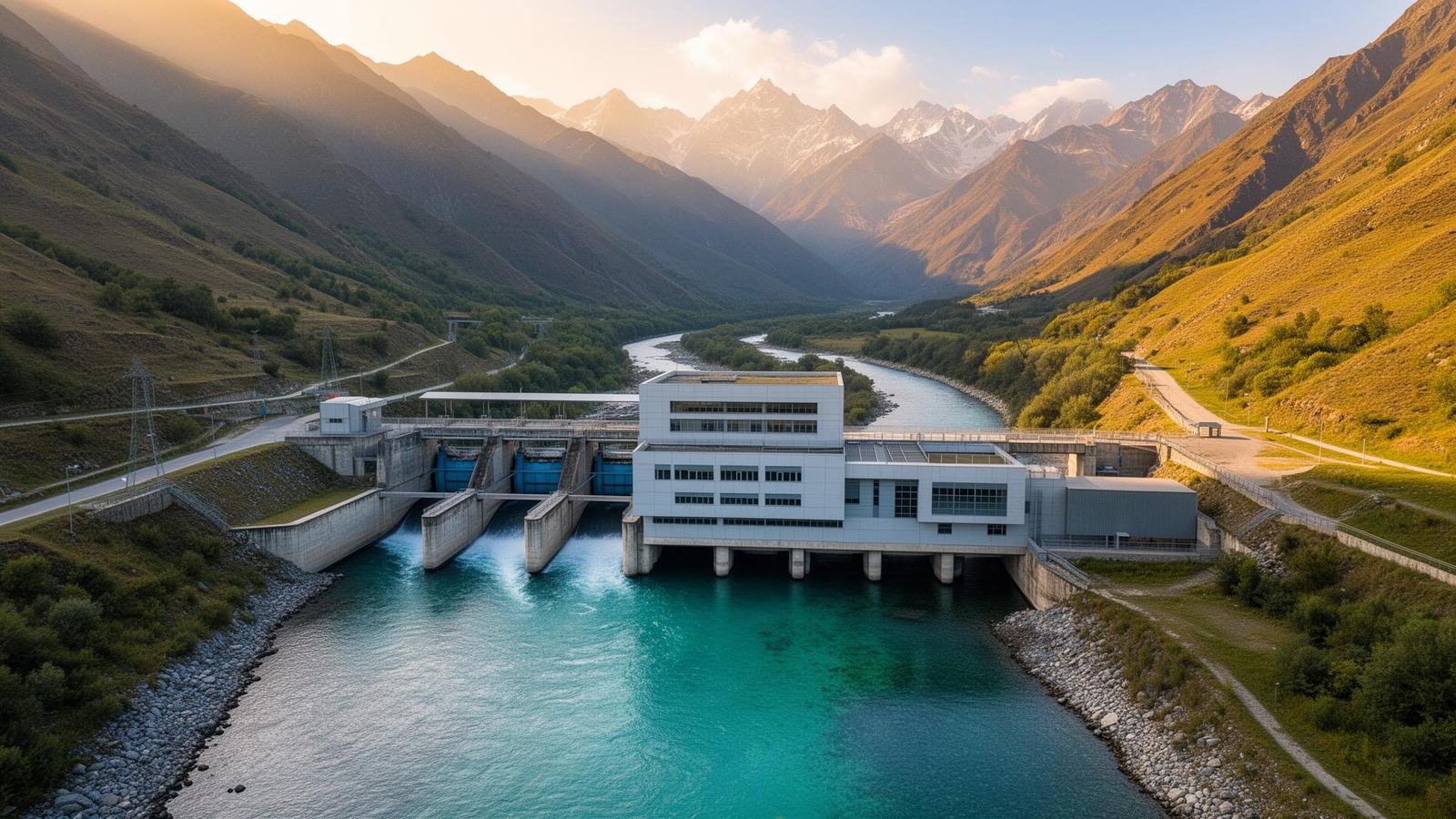
Due diligence on a Georgian power asset follows international practice, but the findings that move the price are usually local: a licence threshold, an environmental decision that is about to lapse, a PPA that ends sooner than the model assumes, or land along a line route that was never registered. This checklist covers hydropower, wind, solar and battery projects, operating or in development, and points out the Georgia-specific items in each workstream. Information is as of October 2026.
How to use this checklist
Run six workstreams in parallel: technical, revenue and market, legal and regulatory, environmental and social, financial and tax, and insurance. Give each item an owner, a status (clear, issue, missing) and a price or deal-term consequence. Anything marked "missing" at the end is a risk the buyer is taking on.
1. Technical
| Item | What to check |
|---|---|
| Resource | Hydro: long-term flow data and actual output; wind and solar: on-site measurements and P50/P90 yield |
| Design and as-built | Whether the plant was built as designed and permitted |
| Condition | Civil works, tunnels and penstocks (hydro), turbines and blades (wind), modules and inverters (solar), cells and battery management (storage) |
| Performance | Availability, capacity factor, forced outages and actual versus expected output |
| Operations | O&M contract, spare parts, staff, health and safety record |
| Capex plan | 10–15 year plan for overhauls and replacements, priced by the buyer |
For hydropower detail, see our step-by-step guide to buying a hydropower plant in Georgia.
2. Revenue and market
| Item | Georgia-specific point |
|---|---|
| Legacy PPA | Many plants built since 2007 sell under guaranteed PPAs with ESCO (source). Check the end date and the revenue regime afterwards |
| CfD | Auction winners hold a 15-year two-way CfD with ESCO, for 8–12 months a year (source). Check strike price, currency, covered months and milestones |
| Market sales | Day-ahead prices on GENEX since July 2024; intraday trading suspended until 1 July 2027 (source) |
| Bilateral contracts | Counterparty credit, tenor, indexation |
| Seasonality | Hydro output peaks when prices are lowest; value on realised, not average, prices |
| Balancing | Imbalance costs for variable output and the forecasting set-up |
See our guide to the electricity market and CfD auctions.
3. Legal and regulatory
- Licence: plants above 15 MW need a GNERC generation licence; smaller plants must notify the regulator; microgeneration up to 100 kW follows separate rules (source).
- Environmental decision: issued, its conditions met, and still valid. It lapses if the activity has not started within 7 years and can be transferred to a new owner in an accelerated 10-day procedure (source).
- Construction permit and commissioning: proof the plant was built as permitted and formally commissioned.
- Grid connection agreement: capacity, voltage, upgrade obligations and deadlines.
- Land: ownership and leases registered in the Public Registry, including access roads and the line route.
- Government agreements: obligations under any memorandum with the government and conditions for a change of owner.
- Corporate: ownership chain, related-party contracts, litigation, tax compliance.
- Change of control: every consent needed under the PPA or CfD, loans and other key contracts.
See our guide to power plant permits in Georgia and GNERC explained.
4. Environmental and social

- Compliance with the environmental decision, including environmental flow and fish passage for hydro.
- Grievance records, community commitments and any open disputes over water or land.
- Gap analysis against IFC Performance Standards or EBRD requirements if you plan to refinance with a development bank.
- Health and safety performance of the operator and contractors.
5. Financial and tax
- Historical accounts reconciled with metered generation and invoices.
- Operating costs against benchmarks, including land lease, insurance and regulatory fees.
- Debt terms, covenants, security and prepayment costs.
- Currency: lari revenue against dollar or euro debt.
- Tax position, VAT and any open tax audits.
6. Insurance
Property damage and business interruption cover, natural hazards (floods, landslides, earthquakes), third-party liability and claims history.
Technology-specific items
| Technology | Extra checks |
|---|---|
| Hydropower | Hydrology, sediment, tunnel inspection, dam safety, environmental flow |
| Wind | Wind measurement mast data, wake losses, turbine availability guarantees, ice and lightning |
| Solar | Irradiation data, module degradation, inverter replacement, shading and soiling |
| Rooftop and commercial solar | Net metering status: plants up to 500 kW connected before 1 January 2027 keep net metering until 2033; later connections move to monthly net billing (source, guide) |
| Battery storage | Cell warranty, degradation curve, augmentation plan, fire safety, revenue stack |
See our guides to wind power plants, solar energy, buying an operating solar plant and battery storage in Georgia.
Red flags
- Actual generation well below the seller's forecast without a clear reason.
- A PPA that ends soon while the model assumes contracted prices beyond it.
- An environmental decision close to its 7-year start deadline, or conditions not met.
- Unregistered land along the tunnel or line route.
- Related-party O&M or offtake contracts at non-market prices.
- Unresolved community complaints.
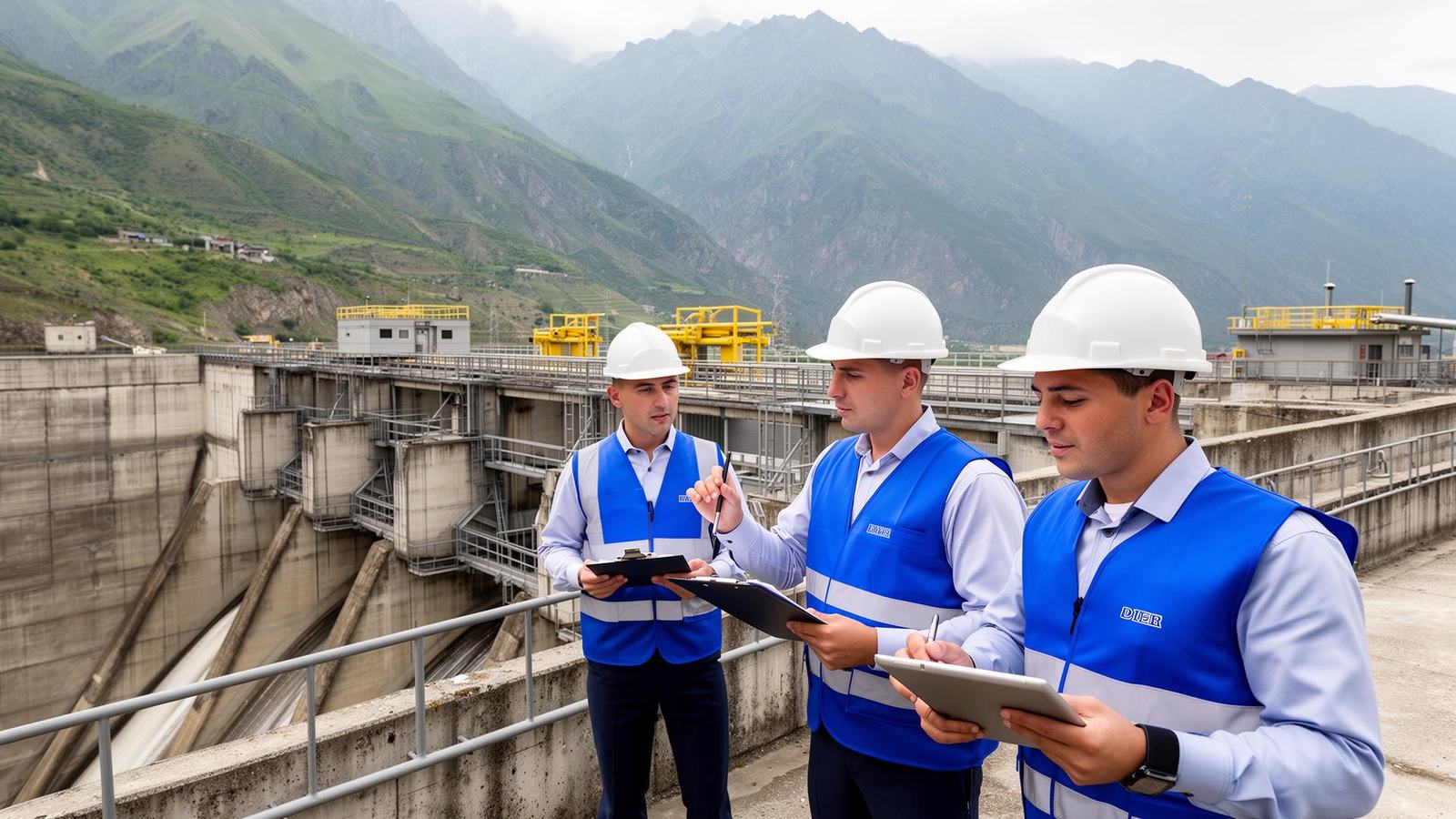
Our technical due diligence and transaction advisory teams run these checks for investors and lenders, with site visits and Georgian-language document review. See also our hydropower risk framework.
Reviewing an energy asset in Georgia? Contact us.