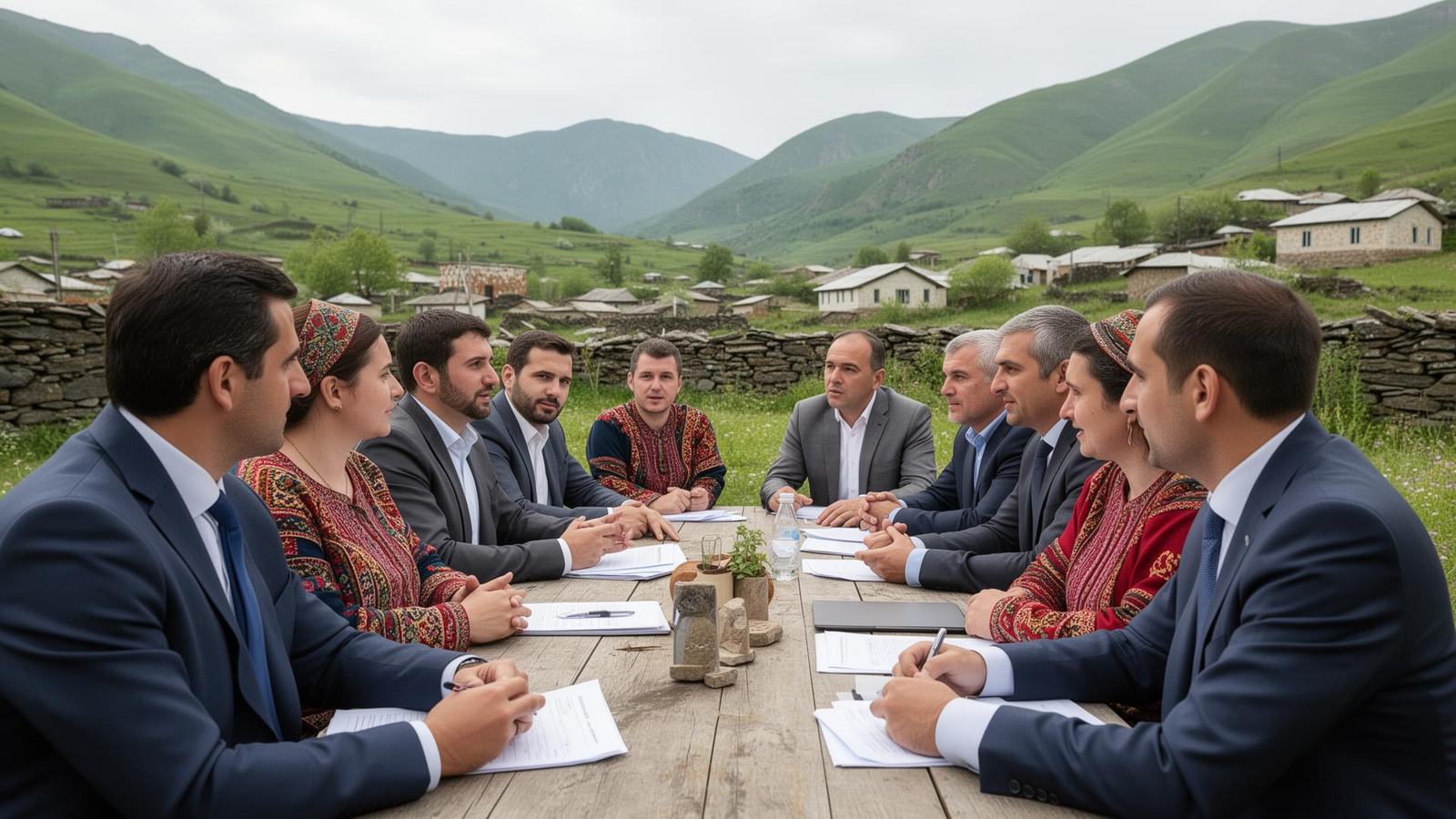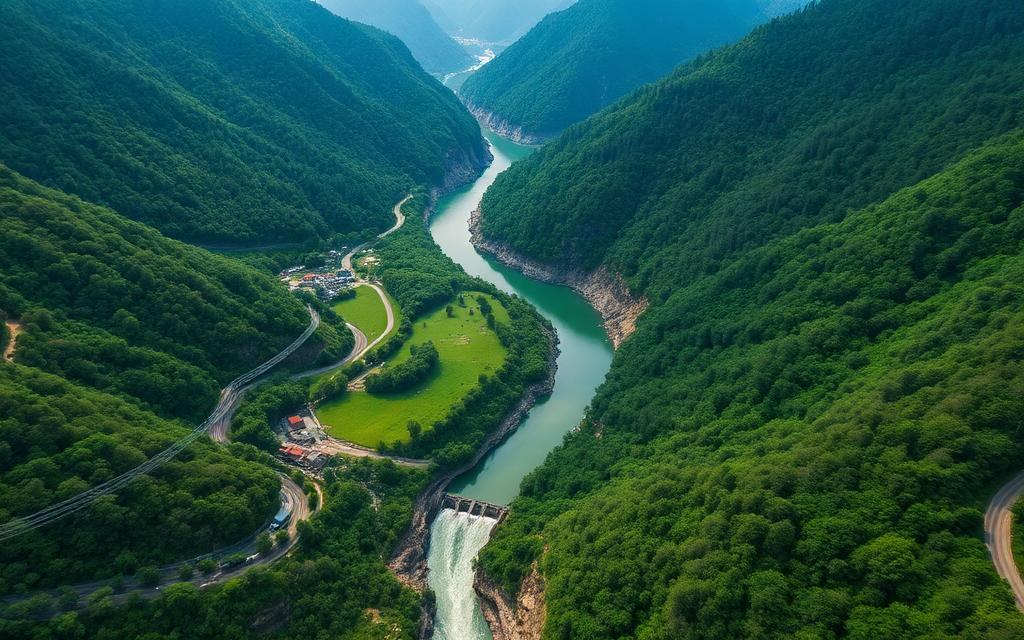
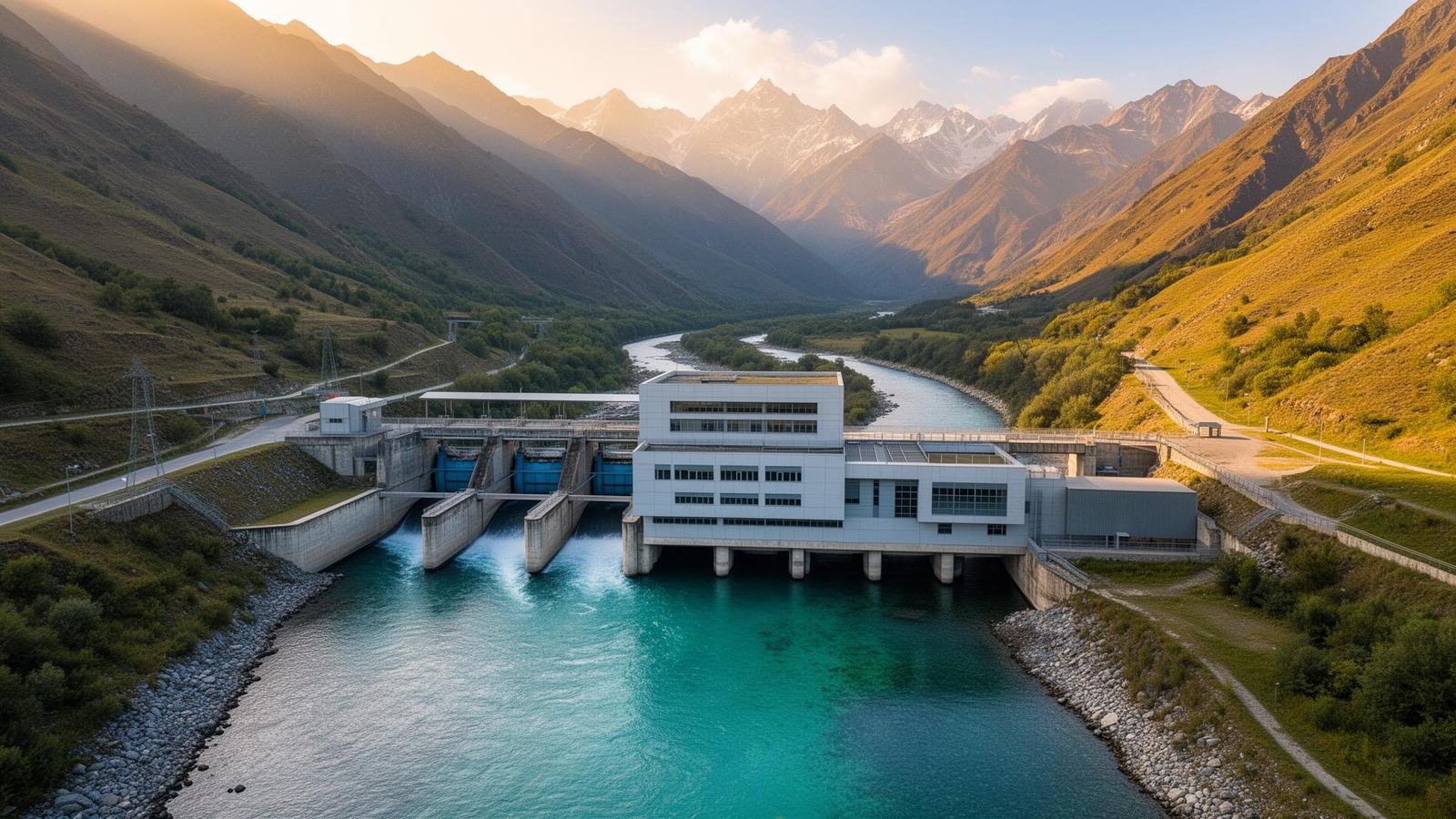
For hydropower in Georgia, ESG is not a reporting exercise. It decides whether a project gets financed, whether it gets built and whether it keeps operating without conflict. Development banks fund a large share of Georgian energy projects and apply their own standards, communities have shown they can stop large projects, and Georgian law gives the public a formal voice in every environmental impact assessment. This guide covers the standards that apply, the environmental and social issues specific to hydropower, and what good community engagement looks like in practice. Information is as of October 2026.
Why ESG decides hydropower deals in Georgia
- Finance: international lenders such as the EBRD, IFC and ADB, and many commercial banks, lend only to projects that meet international environmental and social standards.
- Social licence: the Namakhvani HPP faced more than 200 days of protests, and in September 2021 the developer ENKA terminated its agreement with the government (source).
- Law: under the Environmental Assessment Code, hydropower plants of 5 MW or more need a full environmental impact assessment, with public scoping discussions, a 40-day comment period and a public hearing (source).
Which standards apply?
| Standard | Who uses it | What it covers |
|---|---|---|
| Environmental Assessment Code of Georgia | All projects in Annexes I and II | Screening, scoping, EIA report, public participation, environmental decision (source) |
| IFC Performance Standards (2012) | IFC and many private lenders | Eight standards, from risk management and labour to land acquisition, biodiversity, indigenous peoples and cultural heritage (source) |
| EBRD Environmental and Social Policy (2024) | EBRD-financed projects | Environmental and Social Requirements (formerly Performance Requirements) on similar topics, with strong rules on stakeholder engagement and disclosure (source) |
| Equator Principles | Commercial banks in project finance | A framework that applies IFC standards to project finance loans (source) |
In practice, a project that meets IFC or EBRD standards will usually exceed Georgian legal requirements. If you plan to seek development bank finance or sell to an international buyer later, design to the higher standard from the start.
Environmental issues specific to hydropower
| Issue | What to manage |
|---|---|
| Environmental flow | The minimum flow left in the river below the intake; it protects aquatic life and downstream water users |
| Fish passage | Working fish passes or alternatives, checked during migration seasons |
| Sediment | Flushing regimes that do not smother downstream habitats |
| Cumulative impacts | Several plants on one river or tributary can have a combined effect larger than each EIA shows |
| Construction impacts | Spoil from tunnels, access roads, erosion, dust and noise |
| Protected areas and habitats | Distance to protected areas and sensitive habitats; biodiversity offsets where impacts remain |
Hydropower has very low operating emissions, which helps the "E" in ESG, but lenders will still ask for climate resilience: how the plant copes with floods, landslides and changing flows.
Social issues
- Land and livelihoods: fair compensation for land, crops and lost income, following a resettlement or livelihood plan where needed.
- Water use: clear commitments on water for irrigation and drinking, especially in dry summers.
- Community health and safety: warning systems for sudden flow releases, safe roads and traffic management during construction.
- Labour: fair employment, worker accommodation standards and safety on site, including subcontractors.
- Cultural heritage: churches, cemeteries and archaeological sites near works, with chance-find procedures.
Community engagement that works
| Project phase | What good engagement looks like |
|---|---|
| Early development | Meet villages before the scoping stage; explain the project in Georgian with maps; map stakeholders and concerns |
| EIA and permitting | Hold hearings at times and places people can attend; publish answers to comments; agree environmental flow and water-use terms |
| Construction | Local liaison officer, monthly meetings, public grievance mechanism with response deadlines |
| Operation | Publish monitoring results; keep the grievance mechanism open; review commitments each year |
EIA applications and hearing notices are published on the National Environmental Agency's portal (source), but legal notices alone rarely reach the people most affected. Visit the villages.
Benefit sharing
Benefit sharing turns a project that a community tolerates into one it supports:
- Local jobs and training, with targets for construction and operation.
- Local procurement of transport, food, accommodation and services.
- A community fund financed by a share of revenue, with decisions made jointly with residents.
- Shared infrastructure, such as upgraded roads, water supply or school improvements.
Put every commitment in writing, assign an owner and report on it. Broken promises from a previous owner are a common problem when a plant changes hands.
Governance
Good governance links the two other letters: an independent grievance mechanism, public disclosure of the EIA and monitoring results, anti-corruption controls on permitting and procurement, and board-level oversight of environmental and social risks.
ESG checklist for investors
- Environmental decision and its conditions, with evidence of compliance.
- Gap analysis against IFC Performance Standards or EBRD Environmental and Social Requirements.
- Environmental and social action plan with costs and deadlines.
- Stakeholder engagement plan and a working grievance mechanism with records.
- Environmental flow and fish passage monitoring data.
- Land acquisition and compensation records.
- Community commitments register and its status.
Our ESG advisory team carries out these reviews for investors and lenders. See also our guides to stakeholder management for energy projects, power plant permits in Georgia and our hydropower risk framework.
Need an ESG review of a Georgian energy project? Contact us.