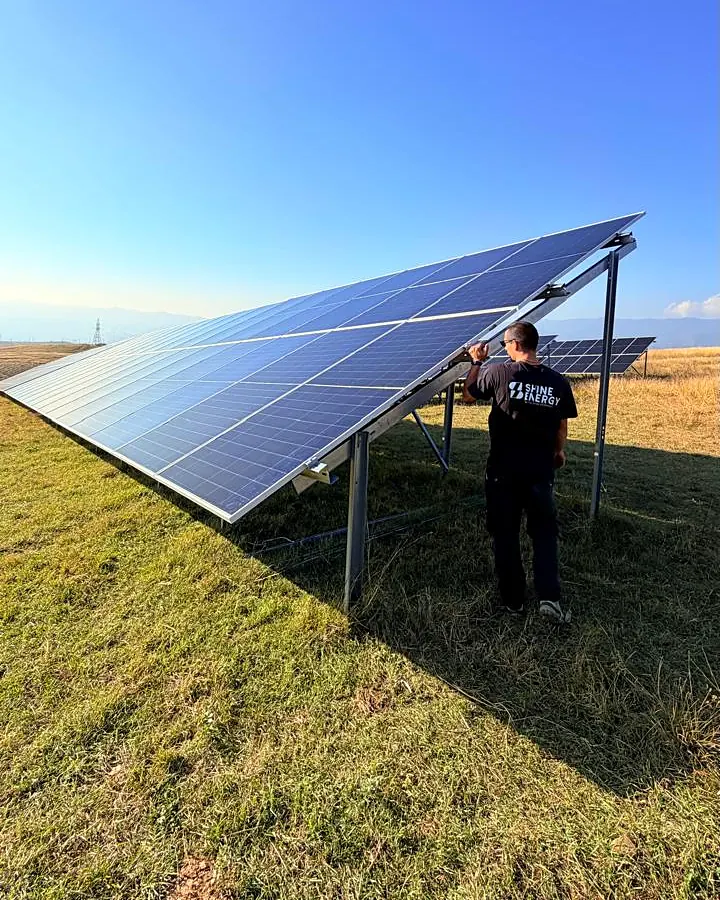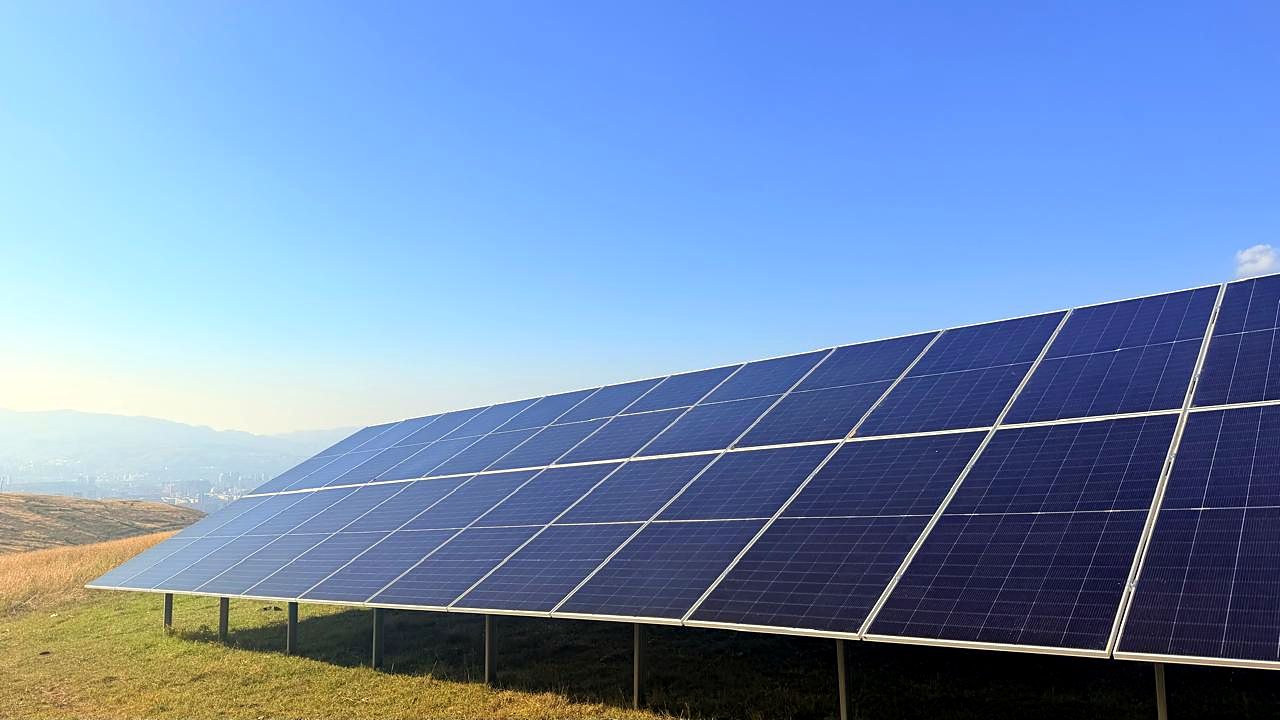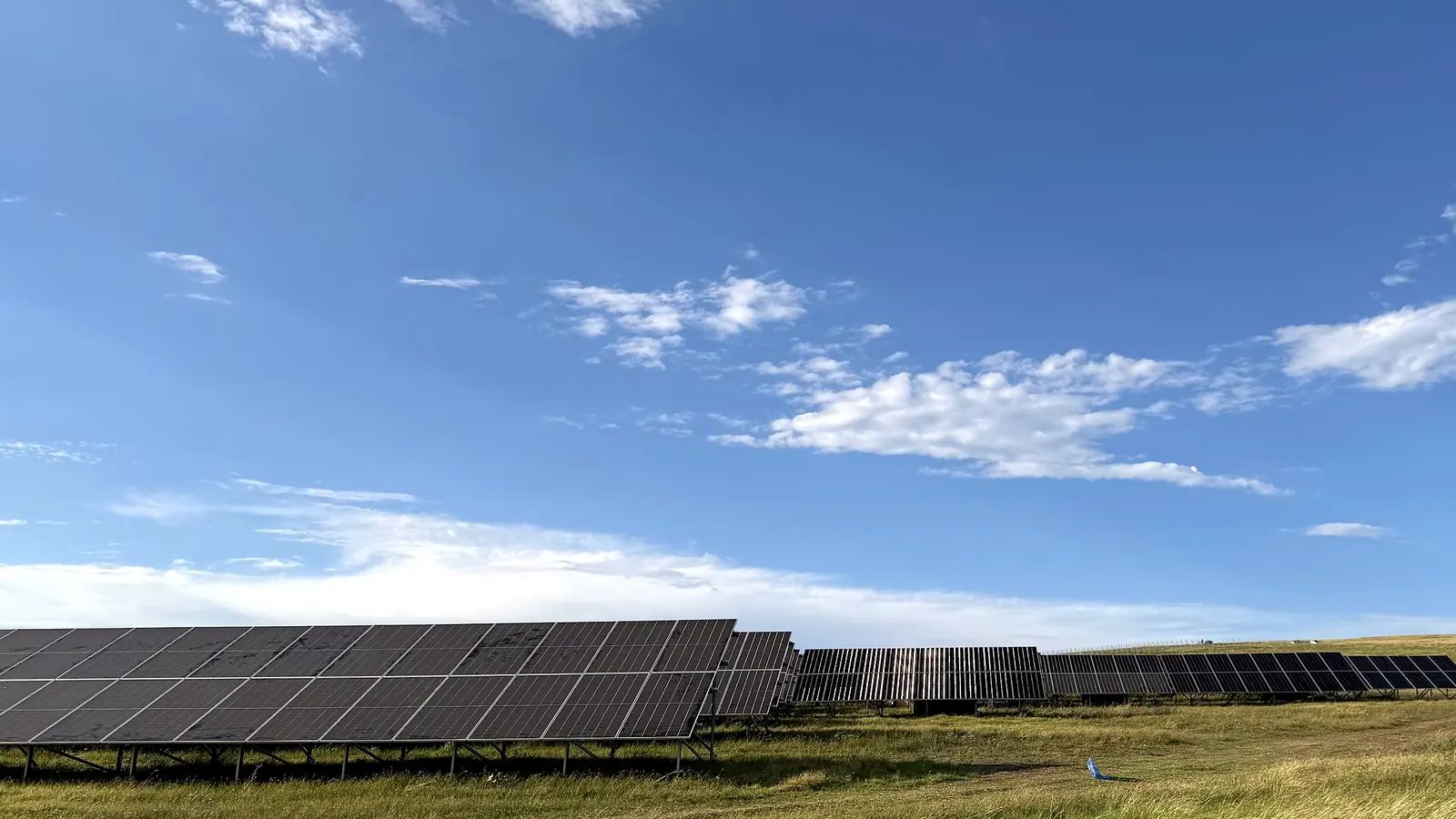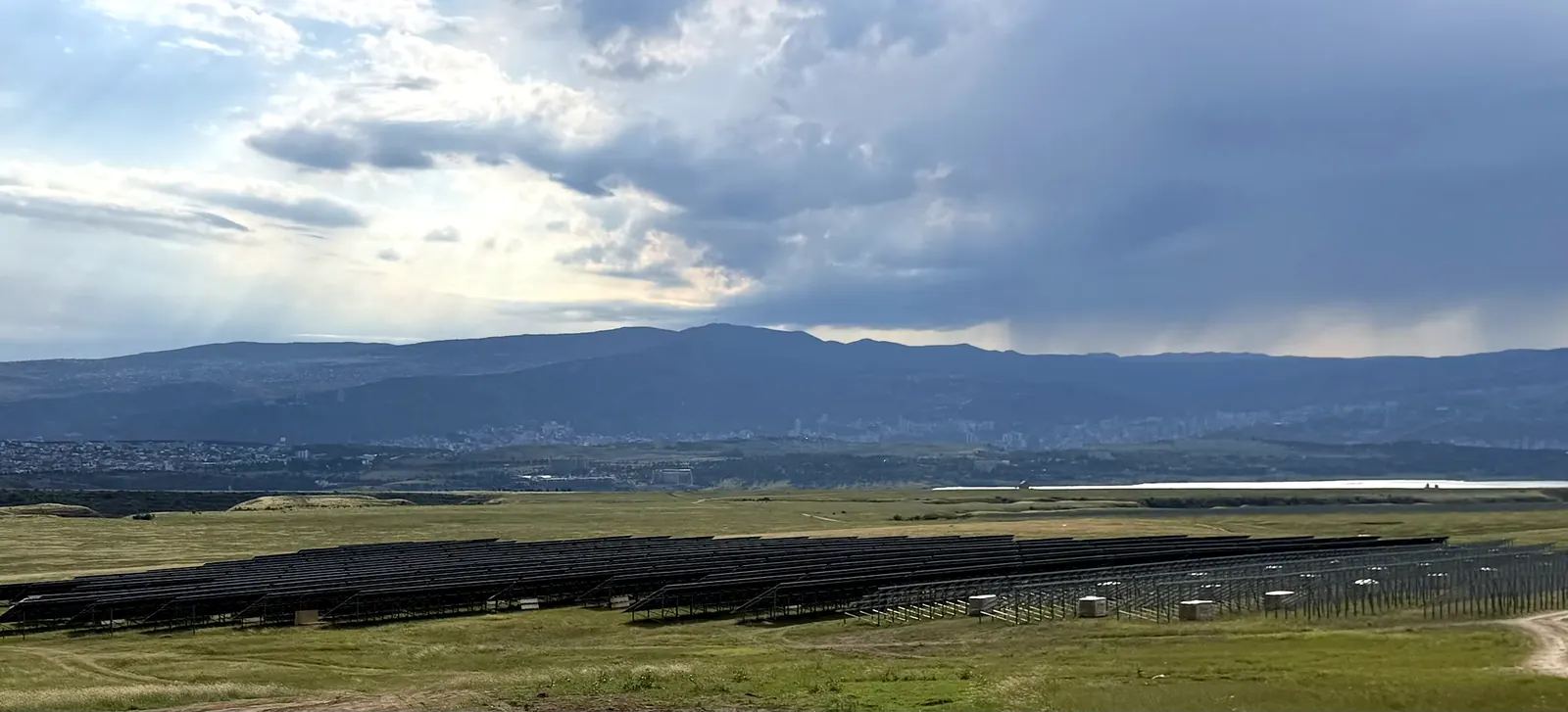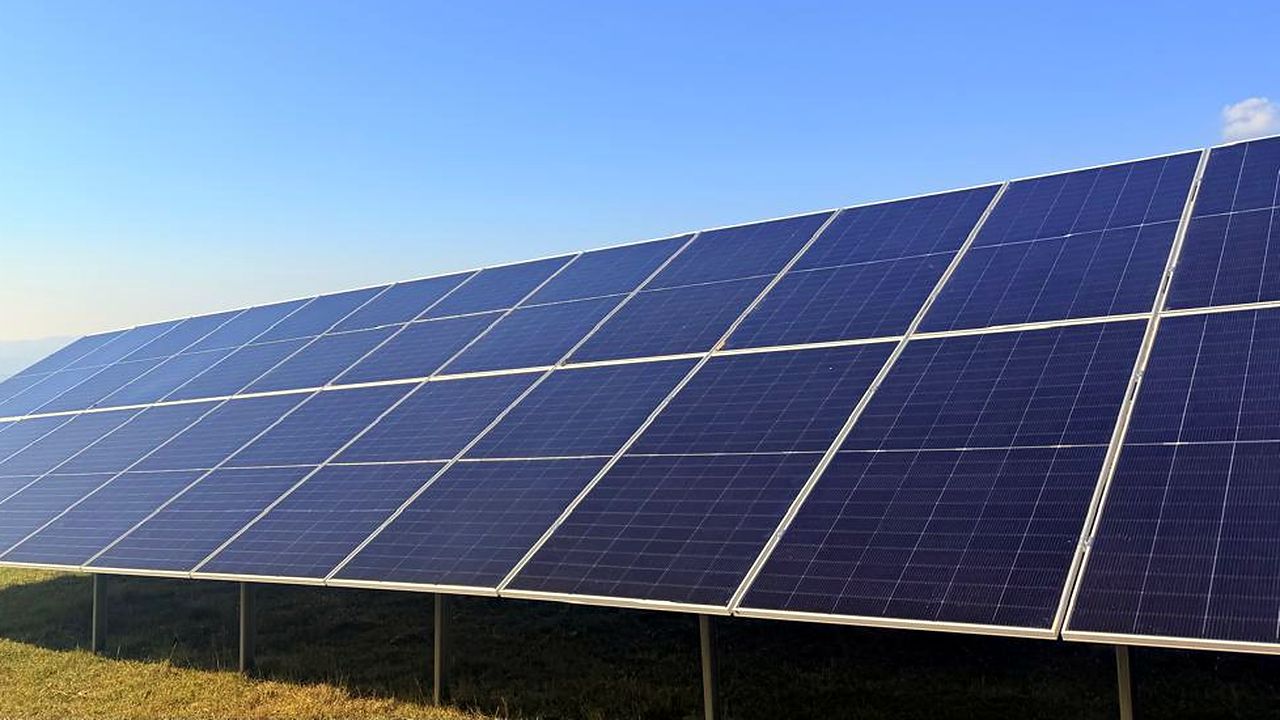
Buying an operating solar plant in Georgia removes construction risk, but it brings its own questions: is the plant producing what was promised, how secure is the revenue, and will the paperwork survive a change of owner? Lenders are already backing this market; the EBRD's 2026 financing of the Veli portfolio included refinancing five operating plants (source). This checklist covers what to verify before you sign, based on how Georgian plants are built, connected and paid. Rules are as of October 2026.
Due diligence at a glance
| Area | Key question | Documents to request |
|---|---|---|
| Performance | Does the plant produce its P50? | At least 12 months of meter and inverter data, original yield study |
| Revenue | How secure and how long is the income? | Net-metering status and connection date, CfD or PPA contracts, user agreements |
| Grid | Can the plant export its full capacity? | Connection agreement, curtailment records |
| Permits | Was everything built and commissioned legally? | Construction permit, commissioning acts, environmental position, GNERC notification or licence |
| Land | Is the site secure for the plant's life? | Registry extract, lease, boundary survey |
| Technical | What will break, and who pays? | EPC defects clauses, module and inverter warranties, O&M contract |
| Finance and tax | What comes with the company? | Loan agreements, state-support conditions, tax filings |
1. Performance: compare actual output with the promise
- Ask for at least 12 months of data from the distribution company's meter and from the inverters. Compare the yearly output with the P50 in the original yield study, adjusted for that year's sunshine.
- Check availability and performance ratio. Repeated inverter trips, string failures or dirty modules show up here.
- Look for curtailment: hours when the grid or the distribution company limited output.
- As a benchmark, the EU's PVGIS model gives about 1,280–1,340 kWh per kWp a year around Tbilisi for a standard fixed-tilt plant, and well-built plants in Kakheti report up to about 1,560 (yield by city). A plant well below that needs an explanation.
2. Revenue: understand exactly how the plant is paid
- Net-metering plants (up to 500 kW). Confirm the date the plant was connected. Plants connected before 1 January 2027 keep net metering until 1 January 2033, then move to lower, market-based payments; plants connected later start on net billing (guide). Value the plant with that step-down. If the output is shared with a group of business users, review each user agreement: price, term, termination rights and the users' credit quality.
- CfD plants (above 0.5 MW). Review the contract with ESCO, the strike price, the remaining term out of 15 years, and the government feasibility and implementation agreements, including any guarantees still posted (source).
- PPA or merchant plants. Check PPA tenor, currency and counterparty, or model day-ahead prices and balancing costs if the plant sells into the market.
3. Grid connection
Get the connection agreement and confirm the permitted export capacity, who owns the line and substation bay, and any obligations to the distribution company or GSE. Ask whether connection capacity on that feeder is shared or about to be reduced.
4. Permits and licences
Check the construction permit, commissioning documents and the environmental position for the site. Plants up to 15 MW should have notified GNERC; larger plants need a generation licence. Net-metering plants up to 500 kW need neither, but must have the distribution company's connection approval and correct metering.
5. Land
Order a fresh Public Registry extract and compare it with the fenced site. Check lease terms against the plant's life, including renewal and step-in rights for lenders. If the land is agricultural and the buyer is foreign-owned, confirm with a lawyer that the ownership structure works.
6. Technical condition and contracts
- Warranties: are the module and inverter warranties transferable, and who holds them?
- EPC defects period: how long is left, and are open defects listed?
- O&M: review the contract, response times and spare parts. At Mukhiani One, first-year operating costs are about $18,000 for 2.5 MW, a useful benchmark (case study).
- Site visit: thermal imaging of modules, inverter logs, cable management, fencing and drainage.
7. Finance, tax and structure
- Existing loans: many plants are financed by Georgian banks. Check change-of-control clauses, security over shares and assets, and any reserve accounts.
- State support: plants up to 0.5 MW financed under Produce in Georgia may carry conditions; check them before buying the company.
- Share deal or asset deal: share deals keep permits and contracts in place; asset sales can attract VAT at 18%. Profits are taxed at 15% only when distributed. See our guide to transaction structures.
Red flags
- Output consistently below P50 with no clear cause.
- A net-metering plant whose connection date is after 1 January 2027, priced as if it had net metering until 2033.
- User agreements that buyers can terminate at short notice.
- Missing commissioning documents or a land title that does not match the site.
- Warranties held by a contractor that no longer operates.
How we can help
We built and own a 2.5 MW plant in Tbilisi, so we know where Georgian projects go wrong. We run technical, commercial and regulatory due diligence on operating plants and portfolios, and can co-invest alongside buyers. See our solar services, read how plants are developed, or contact us.